The Psychology of Gambling
The influence of casinos on gambling decisions begins with understanding the psychology of players. Casinos are designed to create an atmosphere that encourages spending money, as seen with popular options like payid online pokies that attract many participants. This environment is often filled with bright lights, attractive decorations, and sounds that stimulate excitement. Such sensory experiences can trigger emotional responses that lead players to make impulsive decisions. The excitement of winning, even if it is just a small amount, can create a dopamine rush that keeps players returning for more.
Additionally, casinos employ psychological tactics such as the use of “near misses” to encourage continued play. For instance, a player may lose a game but come close to winning, which can be just as rewarding psychologically. This sensation can lead to a false belief in skill, increasing the likelihood of players betting more in hopes of hitting a jackpot. The design of games and the overall casino experience are thus tailored to keep players engaged, often blurring the lines between entertainment and financial decision-making.
Furthermore, the presence of other players in gaming areas creates a social aspect that heightens the influence of the environment. Group dynamics can sway individual decisions, making players more likely to gamble larger amounts when in a crowd. The camaraderie formed around shared excitement can lead to collective betting behaviors, where an individual might wager more than they typically would when alone. The social factors intertwined with the psychological elements illustrate how casino environments profoundly affect gambling choices.
The Role of Promotions and Bonuses
Another significant factor in how casinos shape gambling decisions is the use of promotions and bonuses. Casinos frequently offer enticing welcome bonuses or loyalty programs to attract and retain customers. The psychological appeal of “free money” can override rational financial considerations, luring individuals into making more significant bets than they initially planned. Players may feel that taking advantage of these offers could maximize their potential winnings, which often isn’t the case in reality.
Moreover, the marketing strategies behind these promotions are meticulously crafted to ensure they resonate with potential and existing players. For example, casinos may advertise limited-time offers that create a sense of urgency. This tactic urges players to act quickly, often leading to spur-of-the-moment decisions that might not align with their long-term financial goals. The fear of missing out, commonly referred to as FOMO, is a powerful motivator that influences how players perceive risk and reward in their gambling activities.

Additionally, the structure of these bonuses can lead to a cycle of loss and reliance on further gambling. Players may find themselves chasing losses or spending beyond their limits, fueled by the misconception that bonuses can offset previous losses. This cycle reinforces the casino’s influence, as players become increasingly entrenched in a gambling mindset, often making poor financial decisions based on the allure of potential wins rather than their actual financial capabilities.
The Impact of Game Design
Casinos also have a significant influence through the design of their games. Slot machines, table games, and even electronic gaming terminals are engineered with psychology in mind. Features such as colorful graphics, engaging sound effects, and frequent small payouts are carefully crafted to create a sense of reward, even when losses are incurred. This design philosophy maintains player interest and encourages continued gambling, aiding casinos in their goal of increasing revenue.
Moreover, many games are designed to give players a sense of control while subtly manipulating outcomes in favor of the house. Players might believe that their choices impact the game’s outcome, while in reality, the odds are heavily weighted against them. This illusion can lead to overconfidence, nudging players into making riskier bets or spending more time at the tables. Such deceptive design practices significantly influence gambling decisions, making it essential for players to stay aware of the underlying mechanics at play.
Furthermore, the availability of various game types caters to diverse gambling preferences, allowing casinos to draw in a wide range of customers. Some games are designed for high-risk, high-reward experiences, while others offer a more conservative approach. This versatility allows players to gravitate toward games that align with their risk tolerance, further complicating the decision-making process. As players engage with different games, they may find themselves shifting their gambling strategies, influenced by the specific allure and design of each game.
The Environment and Atmosphere of Casinos
The physical environment of a casino plays an integral role in shaping gambling decisions. The layout of gaming areas, the availability of amenities like bars and restaurants, and even the scent of the air contribute to a unique atmosphere that can either encourage or deter gambling behavior. A well-designed casino environment creates a sense of comfort and escapism that may lead to prolonged gambling sessions. This ambiance can diminish the financial awareness of players, which is crucial for maintaining responsible gambling practices.
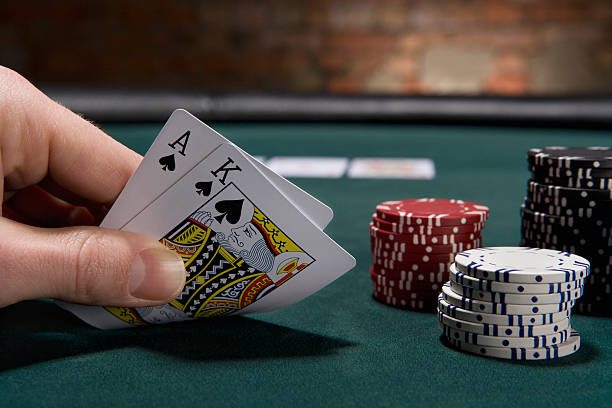
Lighting and sound design are also pivotal elements that influence decision-making. Bright lights and rhythmic sounds can evoke feelings of excitement and urgency, prompting players to engage more deeply with their gambling activities. The presence of other players, cheering and celebrating wins, can amplify these emotions, creating a contagious atmosphere that encourages individuals to gamble more aggressively. This sociocultural dynamic can significantly sway players’ decisions, often leading to behavior that deviates from their usual financial habits.
In addition, casinos often employ strategies to keep players on the premises for extended periods. For instance, they may provide complimentary drinks or snacks, further enticing players to stay and spend. This creates an environment where time seems to dissipate, and players may lose track of their gambling expenditure. The environment, designed to maximize engagement and minimize awareness, significantly influences how individuals approach their gambling decisions, sometimes with detrimental financial outcomes.
Understanding Responsible Gambling
As casinos wield substantial influence over gambling decisions, understanding responsible gambling practices becomes essential. Awareness of how casinos operate and the underlying psychological strategies they employ can equip players with the knowledge to make informed decisions. Educating oneself about the odds of various games and setting personal limits on spending are fundamental steps toward maintaining control over gambling activities. By acknowledging the inherent risks involved, players can navigate the casino environment more effectively.
Moreover, many casinos offer resources and programs to promote responsible gambling. These initiatives often include self-exclusion programs, where players can voluntarily limit their access to the casino or specific games. Utilizing these tools can help individuals take proactive steps in managing their gambling habits, enabling them to enjoy the entertainment aspect without falling victim to compulsive behaviors. Emphasizing responsible gambling practices is crucial, especially in environments that can easily lead to poor decisions.
In conclusion, the influence of casinos on gambling decisions is multifaceted and extends beyond mere game mechanics. Recognizing the psychological, social, and environmental factors at play can empower individuals to approach gambling with greater awareness and responsibility. By making informed decisions and utilizing available resources, players can enjoy the gambling experience while safeguarding their financial well-being.